



Comparison for Polyester False Twist Texturing
TSP supplies Polyurethane and Ceramic Discs for polyester false twist texturing, backed by practical process expertise.
We help you select suitable discs for your machinery, yarn specifications and production requirements, with guidance on dimensions, surface characteristics and machine settings. Compare both materials below to understand their performance, maintenance requirements and operating considerations.
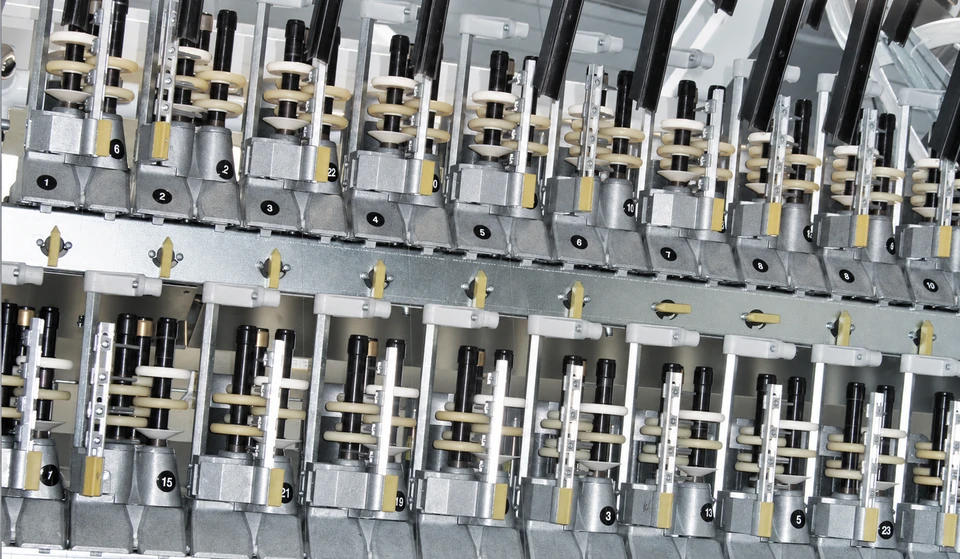
Polyurethane Discs
Explore disc dimensions, Shore A hardness options and application guidance for your friction unit.
View Specifications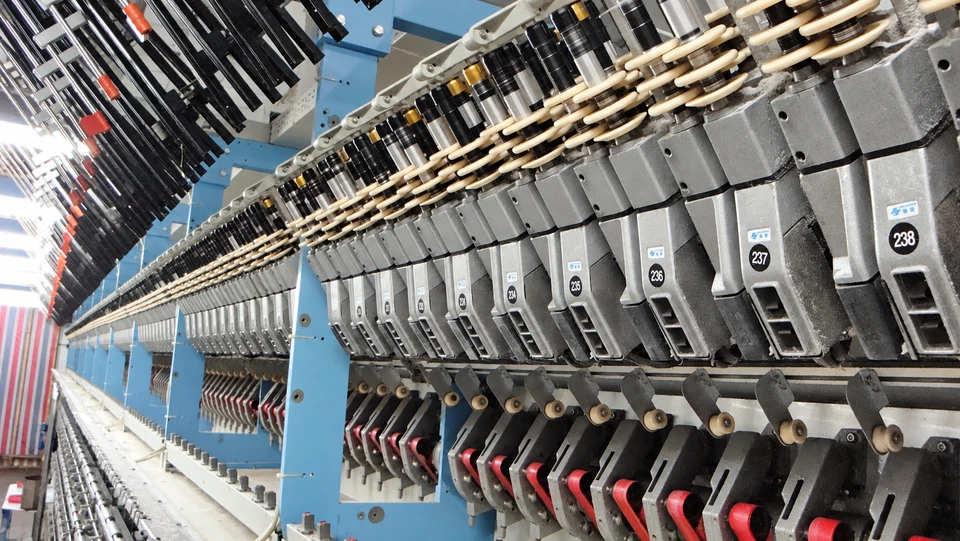
Ceramic Discs
Explore working surfaces, C and D edge profiles, disc selection and maintenance guidance.
View SpecificationsCompare Disc Performance
Compare both materials under matched yarn and operating conditions.
Working Surface and Twist Transfer
Polyurethane
The polyurethane surface flexes at the yarn contact point. Disc hardness and profile influence friction, grip and yarn handling. Specify the required Shore A hardness and disc dimensions.
Solid Ceramic
Surface finish and edge profile influence torque transfer and yarn transport. A roughness value alone cannot predict performance; assess the complete disc and friction unit.
Twist Generation and Control
Disc overlap and configuration shape the yarn path through the friction unit. Explore how this geometry influences twisting and forwarding action, how twist is measured and how TSP can help review your process.
Explore Twist Generation and ControlYarn Quality
Polyurethane
A useful starting point where filament protection, tenacity, elongation and crimp are priorities. Confirm the selected disc and setup against the required yarn properties.
Solid Ceramic
Suitable grades can deliver good polyester yarn quality. Compare tensile properties, crimp, broken filaments and end breaks under matched production conditions.
Speed and Process Flexibility
Polyurethane
Suitable grades serve high speed and fine filament applications. The operating window depends on formulation, hardness, geometry, spin finish and the friction unit setup.
Solid Ceramic
Suitable grades also serve high speed and fine filament applications. Confirm surface grade, disc configuration, yarn cooling and operating settings for the intended yarn.
Wear and Service Life
Polyurethane
Check disc diameter, working profile and surface condition. Wear and spin finish compatibility influence replacement intervals. Swelling or dimensional change warrants investigation.
Solid Ceramic
High wear resistance can extend replacement intervals. Inspect edges and working surfaces for damage, wear and deposits. Long wear life still requires routine condition checks.
Spin Finish and Cleaning
Polyurethane
Confirm spin finish compatibility with the PU formulation. Use a cleaning method approved for the grade and complete assembly, then inspect for swelling, damage and profile change.
Solid Ceramic
Generally resistant to spin finishes, although deposits can alter yarn contact. Approved chemical, thermal or ultrasonic cleaning may be suitable; confirm compatibility with the complete disc assembly.
Dope Dyed Yarns and Deposits
Polyurethane
Check finish compatibility, abrasion and surface condition on the actual colour and yarn lot. Monitor deposits and cleaning frequency during trials; a compliant surface does not guarantee a deposit free process.
Solid Ceramic
Some dope dyed yarn formulations promote deposits and glazing that mask the working texture. Monitor performance between cleanings. Where glazing recurs, evaluate alternative surface grades or grooved designs through controlled trials.
T2 Tension and Running Stability
Polyurethane
Track T2 as discs wear or change dimension, and assess tension alongside yarn quality. Keep the grade, hardness, diameter, disc configuration and D/Y ratio in the trial record.
Solid Ceramic
If deposits reduce forward conveying action, T2 may rise or fluctuate. Compare clean and used sets at matched settings. The direction of change depends on the yarn and process, so T2 alone cannot identify contamination.
Energy and Total Operating Cost
Polyurethane
Include replacement frequency, cleaning, labour, downtime and quality losses when comparing cost per kilogram of saleable yarn. Disc weight alone does not establish an energy saving.
Solid Ceramic
Balance purchase cost against cleaning, wear life and saleable output. Measure energy on matched runs and confirm spindle and drive compatibility rather than inferring running load from disc weight alone.
Feed Yarn Quality and Contamination
Dope dyed, or spun dyed, yarns contain colourants incorporated into the polymer before spinning. Review pigment dispersion, masterbatch consistency, polymer quality and spin finish type, level and uniformity. Check yarn evenness, elongation, tenacity, broken filaments, interlace and package unwinding.
Deposits may include finish residues and filament abrasion debris. Colour alone cannot identify their composition. Inspect deposits and arrange analysis where necessary before attributing them to pigment, polymer or disc wear.
Interpreting Tension and Yarn Quality
T1 is tension immediately before the friction unit. T2 is tension immediately after it, before the next delivery roller. Record sensor positions, units, mean tension, peaks and variation. Establish limits for each yarn and process; the lowest T2 is not necessarily the best setting.
Draw ratio, D/Y ratio, disc configuration, yarn path, cooling and feed yarn can all influence tension. Excessive tension or repeated peaks can contribute to filament damage and end breaks. Check crimp, bulk and tensile properties when contact becomes unstable. For dope dyed yarns, assess fabric appearance too, because texture differences can alter apparent shade.
Set up the Complete Friction Unit
Check outside diameter, bore, thickness, profile, disc spacing and the sequence of entry, working and exit discs. Confirm spindle and drive compatibility. Changing material may require a different arrangement and settings. D/Y is the ratio of disc peripheral speed to yarn speed, not a direct measurement of twist. Record actual disc diameter and ensure effective yarn cooling before the unit.
Choosing a Disc for Your Application
Polyurethane
Consider PU where filament protection and crimp performance are the main priorities. Validate the selected formulation, hardness and geometry on the production yarn.
Solid Ceramic
Consider ceramic where wear, replacement frequency or finish compatibility constrain production. Validate yarn quality and deposit behaviour before wider use.
Run a Controlled Production Trial
- Use the same identified yarn lot and matched positions. Record count, filament count, colour or masterbatch reference, spin finish, speed, draw ratio, heaters, disc configuration and D/Y ratio.
- Compare tenacity, elongation, crimp, broken filaments, end breaks and fabric appearance. Include dye uniformity for yarns dyed after texturing. Record T1 and T2 trends.
- Photograph deposits and record hours since cleaning. Recovery after approved cleaning supports a deposit related diagnosis. Check persistent faults elsewhere in the yarn path and investigate before adjusting D/Y.
- Monitor wear, dimensional change, cleaning intervals and recovery over representative production cycles. Compare total cost per kilogram of saleable yarn, including downtime and quality losses.
Ask TSP for a Recommendation and Quotation
TSP draws on more than 35 years of practical texturing experience. Send your machine and unit model, part number or drawing, disc dimensions, yarn specification, speed and quantity for a recommendation and quotation. For running problems, include yarn lot and colour references, spin finish, tension records, deposit photographs and cleaning history.
Ask TSP About Disc SelectionWear Resistance
Disc materials and surfaces selected for the yarn and operating conditions.
Controlled Yarn Path
Disc geometry and configuration support consistent yarn contact and tension.
Material Selection
Choose polyurethane or ceramic discs to suit process and quality requirements.